50 Most Famous & Must-Experience Events in Japan


50 Most Famous & Must-Experience Events in Japan
Japan is a country where ancient traditions, modern entertainment, seasonal beauty, food, music, sports, and community celebrations come together throughout the year. From massive summer festivals filled with lanterns and traditional floats to world-famous cherry blossom celebrations, spectacular fireworks, snow festivals, anime conventions, and international sporting events, Japan offers unforgettable experiences in every season.
For travelers, foreign residents, photographers, culture lovers, and anyone creating a Japan bucket list, these 50 events represent some of the most exciting experiences the country has to offer.
1. Gion Matsuri – Kyoto
When: July
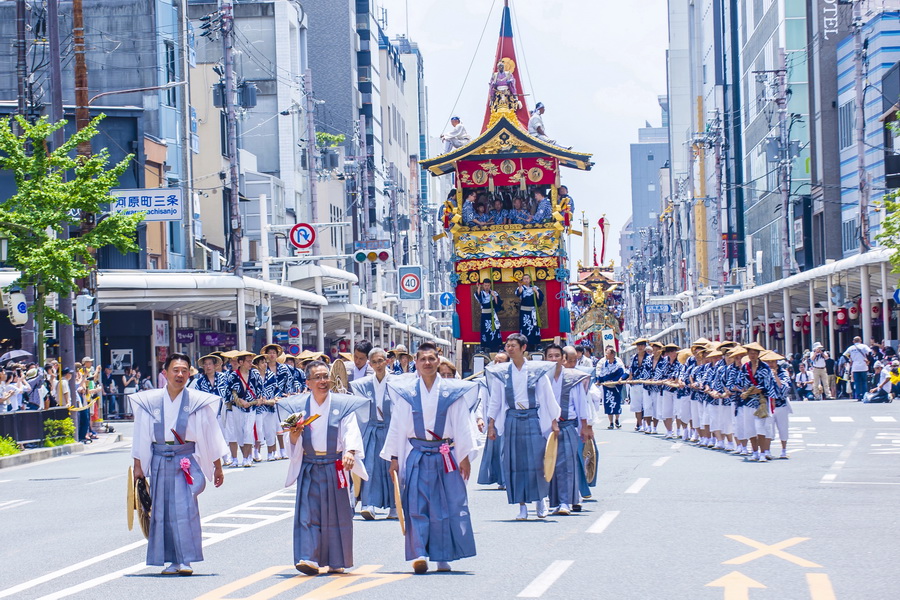
Gion Matsuri is one of Japan’s most famous traditional festivals and one of Kyoto’s biggest annual celebrations. The festival runs throughout July, with spectacular Yamaboko floats, traditional costumes, music, street celebrations, and processions. The grand float parades are among the most photographed festival scenes in Japan.
2. Aomori Nebuta Matsuri – Aomori
When: August 2–7
Aomori Nebuta Matsuri is famous for enormous illuminated floats depicting warriors, mythical creatures, historical characters, and dramatic scenes. The glowing floats move through the city accompanied by dancers, taiko drums, flutes, and energetic festival music.
3. Sapporo Snow Festival – Hokkaido
When: Early February
Every winter, Sapporo transforms into a giant outdoor art exhibition. Massive snow sculptures, detailed ice carvings, illuminated displays, food stalls, entertainment, and winter activities attract visitors from around the world.
4. Awa Odori – Tokushima
When: August
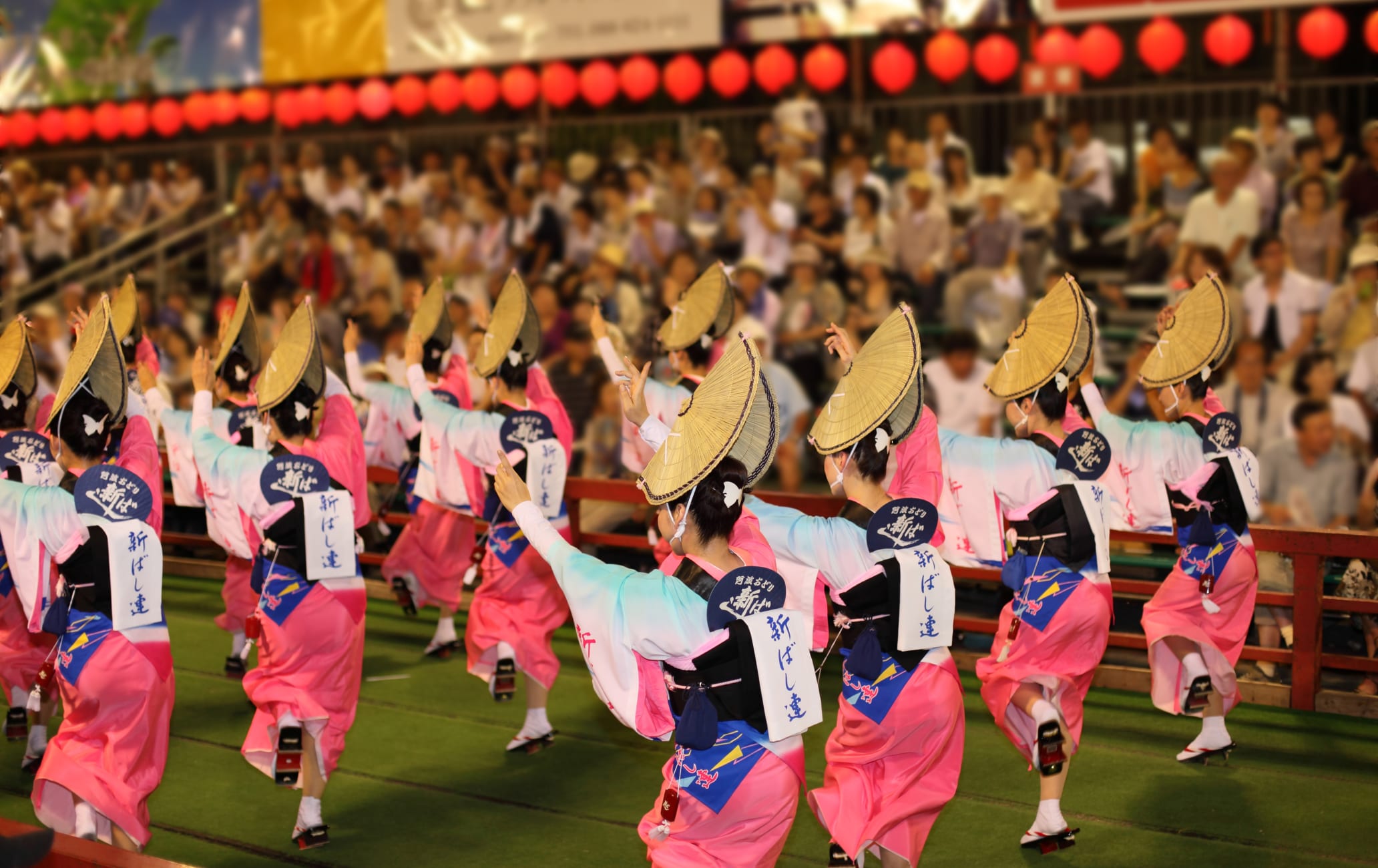
Awa Odori is one of Japan’s largest traditional dance festivals. Thousands of dancers fill the streets of Tokushima while musicians play traditional instruments. The atmosphere is lively, colorful, energetic, and extremely welcoming.
5. Tenjin Matsuri – Osaka
When: July 24–25
Tenjin Matsuri is one of Japan’s great traditional festivals. Visitors can experience processions, portable shrines, beautifully decorated boats, traditional costumes, ceremonies, and an impressive fireworks display over Osaka.
6. Sumida River Fireworks Festival – Tokyo
When: Late July
One of Tokyo’s most famous summer events, the Sumida River Fireworks Festival fills the night sky with thousands of fireworks. People traditionally attend wearing yukata, creating an unforgettable Japanese summer atmosphere.
7. Fuji Rock Festival – Niigata
When: July
Fuji Rock is one of Asia’s best-known outdoor music festivals. Held surrounded by mountains and forests, the festival attracts major Japanese and international musicians across rock, electronic, pop, indie, and alternative genres.
8. Japanese Grand Prix – Suzuka
When: Depends on the Formula 1 calendar
The Japanese Grand Prix at Suzuka Circuit is one of the most exciting motorsport events in the country. Japanese Formula 1 fans are famous for their creativity, enthusiasm, costumes, handmade merchandise, and incredible support for drivers.
9. Cherry Blossom and Hanami Season – Nationwide
When: March–April
Cherry blossom season is perhaps Japan’s most internationally recognized seasonal experience. Parks, castles, riversides, temples, shrines, and streets turn pink as sakura trees bloom across the country.
Hanami gatherings, evening illuminations, picnics, photography, seasonal foods, and festivals make this one of the best times to experience Japan.
10. Tokyo Game Show – Chiba
When: September
Tokyo Game Show is one of the world’s major video-game exhibitions. Gaming companies showcase upcoming titles, hardware, technologies, esports competitions, demonstrations, cosplay, and interactive experiences.
11. Comiket – Comic Market – Tokyo
When: Summer and Winter
Comic Market, commonly called Comiket, is one of the biggest gatherings for manga, anime, doujinshi, cosplay, games, and Japanese pop culture.
Fans and independent creators from across Japan gather to buy, sell, display, and celebrate creative work.
12. Summer Sonic – Tokyo and Osaka
When: August
Summer Sonic is one of Japan’s biggest international music festivals. Major artists from around the world perform alongside popular Japanese musicians across multiple stages.
13. Tokyo Marathon – Tokyo
When: March
The Tokyo Marathon attracts elite athletes and thousands of recreational runners from around the world.
The course passes through major parts of Tokyo, while spectators line the streets to encourage participants.
14. Kanda Matsuri – Tokyo
When: May, especially in odd-numbered years
Kanda Matsuri is one of Tokyo’s major traditional festivals. Hundreds of portable shrines, decorated floats, musicians, performers, and festival participants move through central Tokyo.
15. Sanja Matsuri – Asakusa, Tokyo
When: May
Sanja Matsuri is one of Tokyo’s most energetic shrine festivals.
The streets around Asakusa and Sensoji are packed with people carrying mikoshi, performing traditional music, enjoying festival food, and celebrating late into the day.
16. Asakusa Samba Carnival – Tokyo
When: Late Summer
Historic Asakusa suddenly turns into a colorful Brazilian-style carnival filled with elaborate costumes, samba music, dancing, and enormous parade performances.
It is one of Tokyo’s most unusual cultural combinations.
17. Tokyo Koenji Awa Odori – Tokyo
When: August
Koenji brings the famous Awa Odori dance tradition to Tokyo.
Thousands of dancers and musicians move through the narrow streets while huge crowds gather to watch.
18. Chichibu Night Festival – Saitama
When: December 2–3
Chichibu Night Festival combines beautifully decorated traditional floats with winter fireworks.
The illuminated floats moving through the streets after sunset create one of Japan’s most atmospheric winter festival experiences.
19. Kawagoe Festival – Saitama
When: October
Kawagoe’s historic streets become filled with enormous traditional floats, musicians, performers, and crowds.
The interaction between different festival floats is especially exciting.
20. Yokohama Fireworks Events – Yokohama
When: Seasonal
Yokohama’s waterfront provides one of Japan’s most beautiful settings for fireworks.
Watching fireworks rise over Minato Mirai, the harbor, skyscrapers, and illuminated buildings is a classic summer experience.
21. Hirosaki Cherry Blossom Festival – Aomori
When: Late April–Early May
Hirosaki Castle surrounded by thousands of cherry trees is one of Japan’s most famous sakura scenes.
Petals cover the castle moats, creating spectacular pink carpets on the water.
22. Kakunodate Cherry Blossom Festival – Akita
When: Late April–May
Cherry blossoms frame Kakunodate’s beautifully preserved samurai district.
The combination of historic samurai residences, traditional streets, and pink blossoms makes it one of northern Japan’s most beautiful spring destinations.
23. Sendai Tanabata Matsuri – Miyagi
When: August 6–8
Sendai becomes filled with huge colorful Tanabata decorations hanging throughout shopping streets and public spaces.
Traditional designs, wishes, performances, and festival activities attract enormous crowds.
24. Akita Kanto Matsuri – Akita
When: August 3–6
Performers balance enormous bamboo poles covered with glowing lanterns on their hands, foreheads, shoulders, and hips.
The skill required to control the huge structures makes the festival extraordinary to watch.
25. Morioka Sansa Odori – Iwate
When: August 1–4
Thousands of performers participate in large parades featuring taiko drumming, traditional dancing, flutes, costumes, and synchronized performances.
26. Yamagata Hanagasa Matsuri – Yamagata
When: August 5–7
Thousands of dancers parade through Yamagata carrying flower-decorated straw hats.
The coordinated dancing, music, colorful costumes, and large crowds make it one of Tohoku’s biggest summer celebrations.
27. Oga Namahage – Akita
When: New Year Period and Related Festivals
Namahage performers wear dramatic masks and traditional straw costumes while representing legendary mountain spirits.
The tradition is one of Japan’s most distinctive examples of regional folk culture.
28. Nagaoka Fireworks Festival – Niigata
When: August 2–3
Nagaoka is widely regarded as one of Japan’s greatest fireworks festivals.
Massive fireworks cover the night sky, including enormous displays that stretch across wide sections of the horizon.
29. Omagari National Fireworks Competition – Akita
When: August
Some of Japan’s best professional pyrotechnicians compete at Omagari.
Instead of simply watching fireworks, visitors experience highly creative displays designed specifically for competition.
30. Lake Biwa Great Fireworks Festival – Shiga
When: August
Massive fireworks illuminate the sky above Lake Biwa, Japan’s largest freshwater lake.
Reflections across the water make the spectacle particularly beautiful.
31. Kumano Fireworks Festival – Mie
When: August
Fireworks launched around the coast create dramatic effects against the sea and surrounding landscape.
The unique coastal setting differentiates Kumano from many other Japanese fireworks festivals.
32. Takayama Spring Festival – Gifu
When: April 14–15
Takayama’s historic streets provide a perfect setting for ornate festival floats, traditional performances, costumes, music, and ceremonies.
The festival is considered one of Japan’s most beautiful traditional celebrations.
33. Takayama Autumn Festival – Gifu
When: October 9–10
The autumn version of Takayama Festival offers stunning traditional floats, lanterns, performances, and historic streets.
Nighttime illuminations make the festival particularly atmospheric.
34. Gujo Odori – Gifu
When: July–September
Gujo Odori is a long-running summer dance festival where visitors can participate rather than simply watch.
During the peak Obon period, dancing can continue through the night until early morning.
35. Kanazawa Hyakumangoku Festival – Ishikawa
When: June
The festival celebrates the historical heritage of Kanazawa through samurai processions, traditional performances, costumes, music, dances, and large public celebrations.
36. Owara Kaze no Bon – Toyama
When: September 1–3
Unlike many loud Japanese festivals, Owara Kaze no Bon has a calm, mysterious atmosphere.
Elegant dancers move through traditional streets accompanied by beautiful music after sunset.
37. Nachi Fire Festival – Wakayama
When: July 14
Huge flaming torches are carried near the sacred Nachi waterfall.
Fire, mountain scenery, religious traditions, and one of Japan’s most impressive waterfalls combine to create an unforgettable event.
38. Kishiwada Danjiri Matsuri – Osaka
When: September
Large wooden danjiri floats are pulled rapidly through city streets by teams of participants.
Watching the enormous floats turn corners at speed makes this one of Japan’s most thrilling traditional festivals.
39. Toka Ebisu – Osaka
When: Around January 9–11
Business owners, employees, entrepreneurs, and local residents visit shrines to pray for prosperity and success during the coming year.
The festival attracts enormous crowds.
40. Miyako Odori – Kyoto
When: April
Miyako Odori provides a rare opportunity to experience performances by Kyoto’s geiko and maiko.
Traditional dancing, music, beautiful costumes, and stage design celebrate Kyoto’s cultural heritage.
41. Jidai Matsuri – Kyoto
When: October 22
Participants wear costumes representing different periods of Japanese history and parade through Kyoto.
It feels almost like watching centuries of Japanese history walk through the streets.
42. Kurama Fire Festival – Kyoto
When: October 22
Residents carry enormous burning torches through the mountain village of Kurama.
The combination of fire, darkness, traditional clothing, chanting, and mountain surroundings creates a powerful atmosphere.
43. Hakata Dontaku – Fukuoka
When: May 3–4
Hakata Dontaku is one of Japan’s biggest Golden Week events.
Large parades, dancers, musicians, performances, decorated vehicles, and street celebrations take over central Fukuoka.
44. Hakata Gion Yamakasa – Fukuoka
When: July
Teams of participants race through Fukuoka carrying enormous decorated festival floats.
Speed, teamwork, tradition, and huge cheering crowds create an intense festival atmosphere.
45. Nagasaki Lantern Festival – Nagasaki
When: January or February
Thousands of Chinese-style lanterns transform central Nagasaki during the Lunar New Year period.
The festival reflects Nagasaki’s long historical connections with Chinese culture.
46. Nagasaki Kunchi – Nagasaki
When: October 7–9
Nagasaki Kunchi features spectacular dancing, traditional performances, enormous floats, dragon dances, and influences from Japan’s historical international connections.
47. Karatsu Kunchi – Saga
When: November 2–4
Huge colorful hikiyama floats shaped like dragons, lions, fish, samurai helmets, and mythical creatures are pulled through the streets of Karatsu.
The craftsmanship of the floats alone makes the festival worth seeing.
48. Okinawa Eisa Festival – Okinawa
When: Summer
Eisa combines powerful drumming, coordinated dancing, colorful costumes, chanting, and Okinawan music.
The style and atmosphere are noticeably different from festivals on mainland Japan.
49. Naha Tug-of-War Festival – Okinawa
When: October
Thousands of people participate in an enormous traditional tug-of-war using one of the largest ropes imaginable.
Visitors can join the event, making it much more interactive than a normal festival.
50. New Year Hatsumode – Nationwide
When: December 31–January 3
Hatsumode is the first shrine or temple visit of the New Year.
Millions of people across Japan visit famous temples and shrines to pray for health, happiness, success, relationships, studies, business prosperity, and good fortune.
Major destinations such as Meiji Jingu, Sensoji and Fushimi Inari become incredibly lively during the New Year period.
Best 10 Japan Events You Should Not Miss
If you cannot experience all 50, start with these ten:
- Gion Matsuri – Kyoto
- Aomori Nebuta Matsuri – Aomori
- Sapporo Snow Festival – Hokkaido
- Awa Odori – Tokushima
- Nagaoka Fireworks Festival – Niigata
- Cherry Blossom Season – Nationwide
- Tenjin Matsuri – Osaka
- Takayama Festival – Gifu
- Tokyo Game Show – Chiba
- Fuji Rock Festival – Niigata
Experience Japan Beyond the Tourist Attractions
Japan’s famous temples, castles, mountains, cities, food, and natural scenery attract millions of travelers every year. But attending a Japanese festival or major cultural event offers something different.
You are not simply observing Japan—you are experiencing traditions that local communities have protected for generations.
A trip planned around cherry blossoms, summer matsuri, fireworks, snow festivals, traditional dances, New Year celebrations, music festivals, or major sporting events can completely change the way you experience the country.
Whether you live in Japan or are planning your first trip, try to experience at least a few of these events.
And if you manage to attend all 50, you will have experienced a side of Japan that even many long-term residents never fully see.